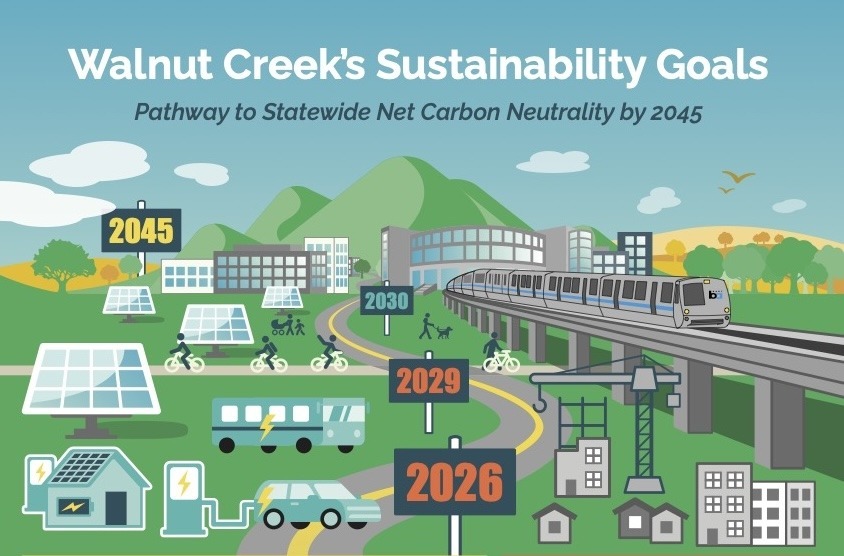
Walnut Creek’s Sustainability Plan: Roadmap to a Greener Future
What does a sustainable Walnut Creek look like? The city’s 2023 Sustainability Action Plan is driving cleaner air, greener transportation, smarter water use, and less waste.
What does a sustainable Walnut Creek look like? The city’s 2023 Sustainability Action Plan is driving cleaner air, greener transportation, smarter water use, and less waste.
What does a sustainable Walnut Creek look like? The city’s 2023 Sustainability Action Plan is driving cleaner air, greener transportation, smarter water use, and less waste.
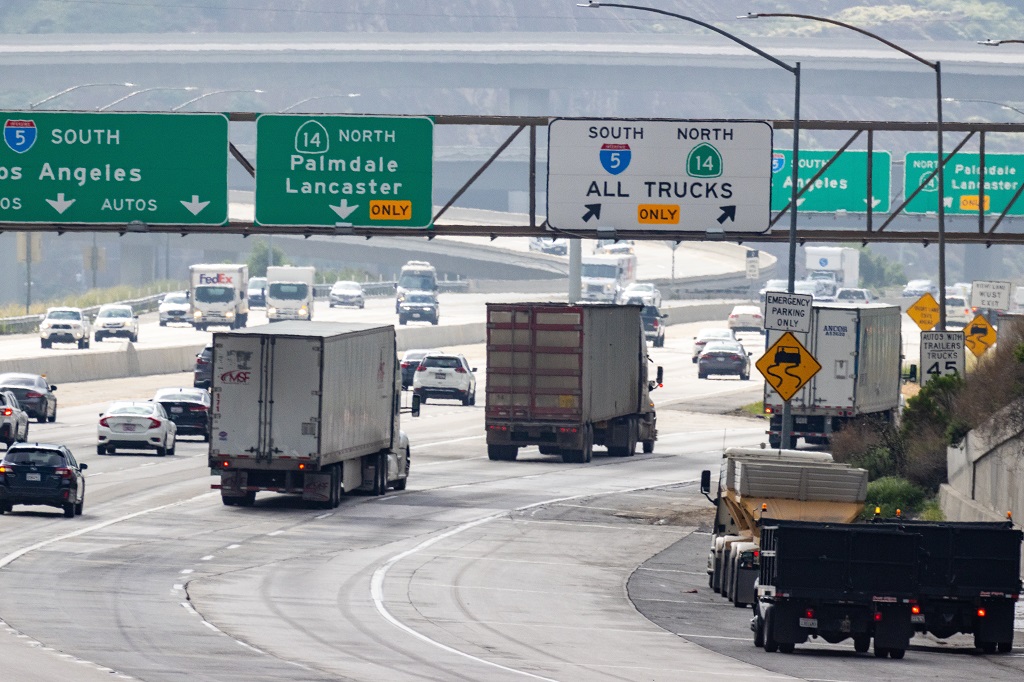
Transportation accounts for about 40 percent of all GHG emission in California. Industrial activity and buildings—our homes and everything else–together make up another 45 percent. We have the solutions. We CAN stop burning fossil fuels now.

The only solution to safeguard life as we know it on Planet Earth is to stop burning fossil fuels. There is no other option. Here’s why.
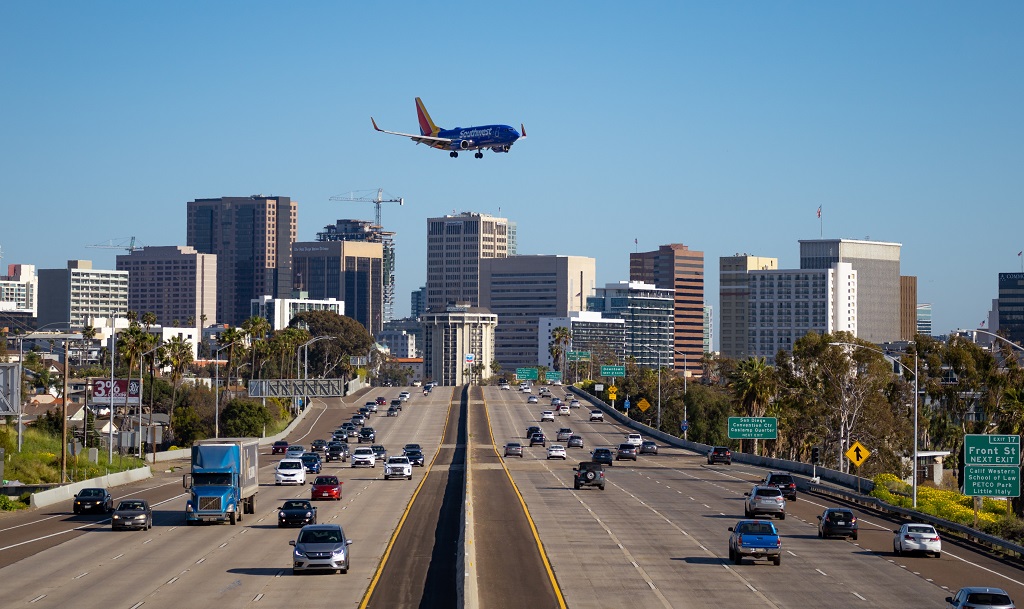
Transportation is the highest contributor of GHG emissions—as much as 60 percent in Walnut Creek, and 46 percent in unincorporated Contra Costa County.
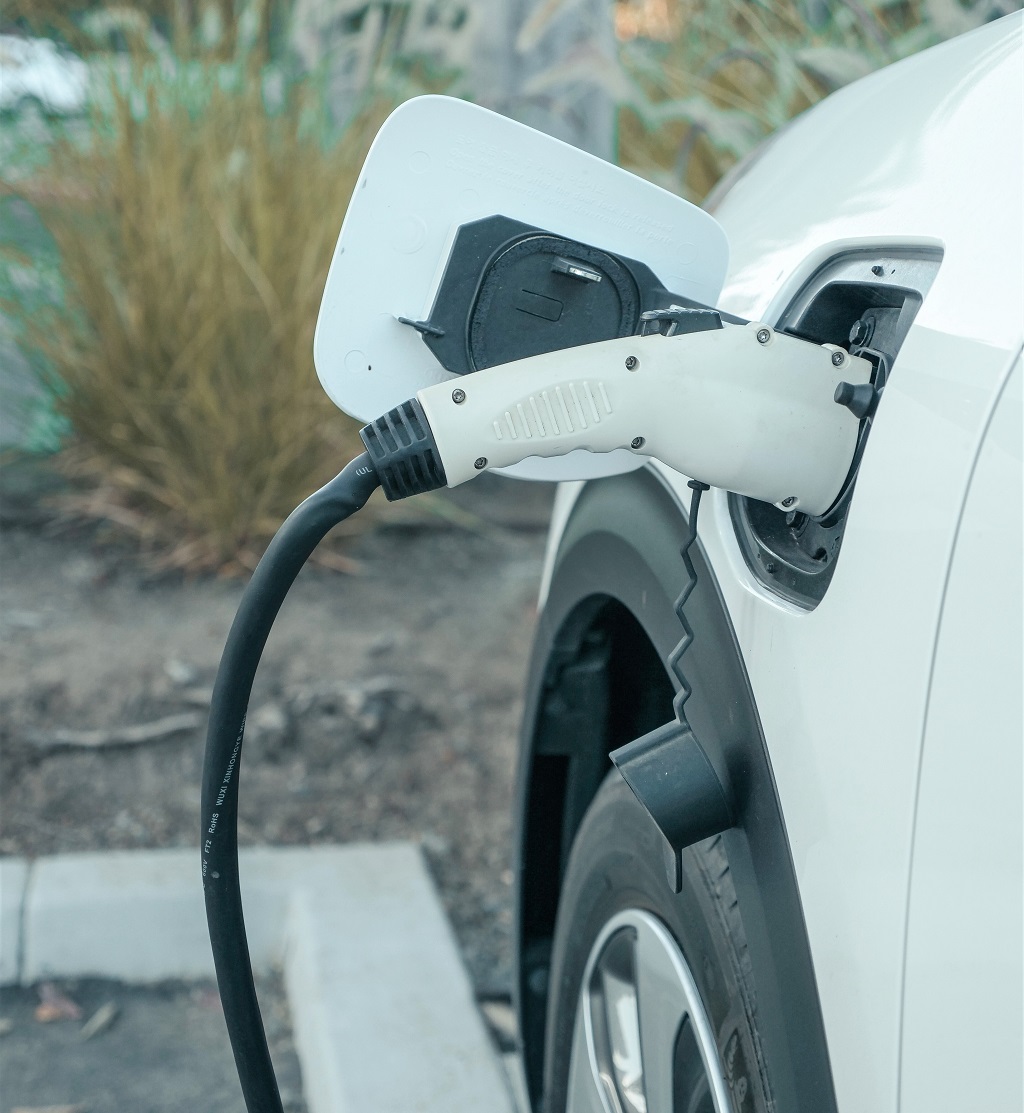
MCE, the not-for-profit public agency that provides clean energy for residential customers, also offers an electric vehicle (EV) charging rebate to businesses and multifamily properties, as well as technical assistance.
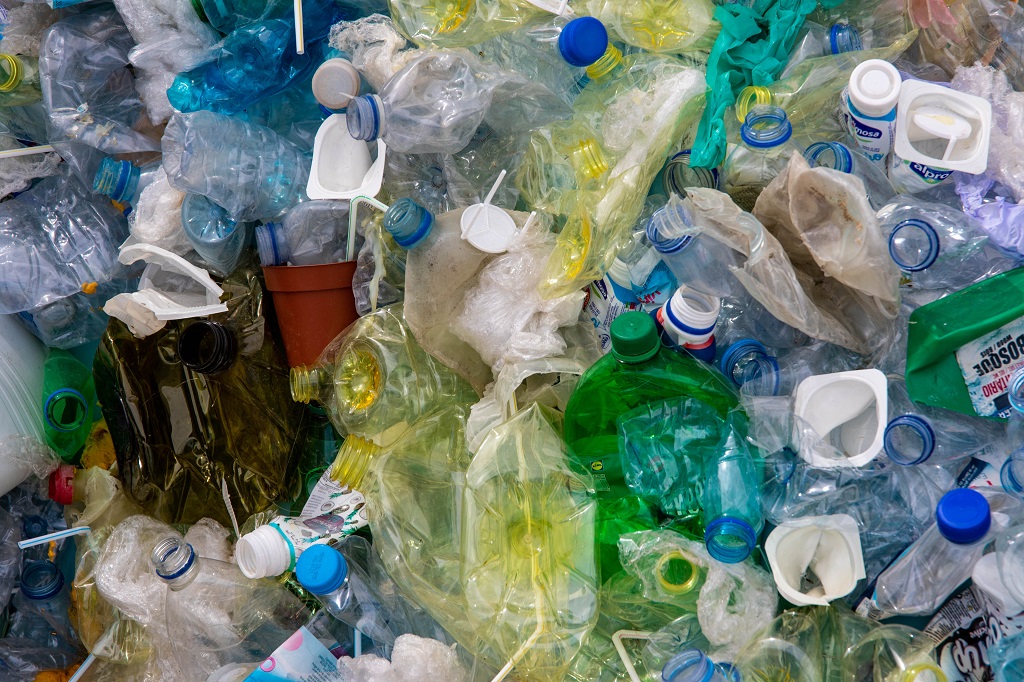
Plastic waste. It’s everywhere. If you live in Pinole or visit frequently, be part of the solution to the plastics problem, and complete this brief survey.
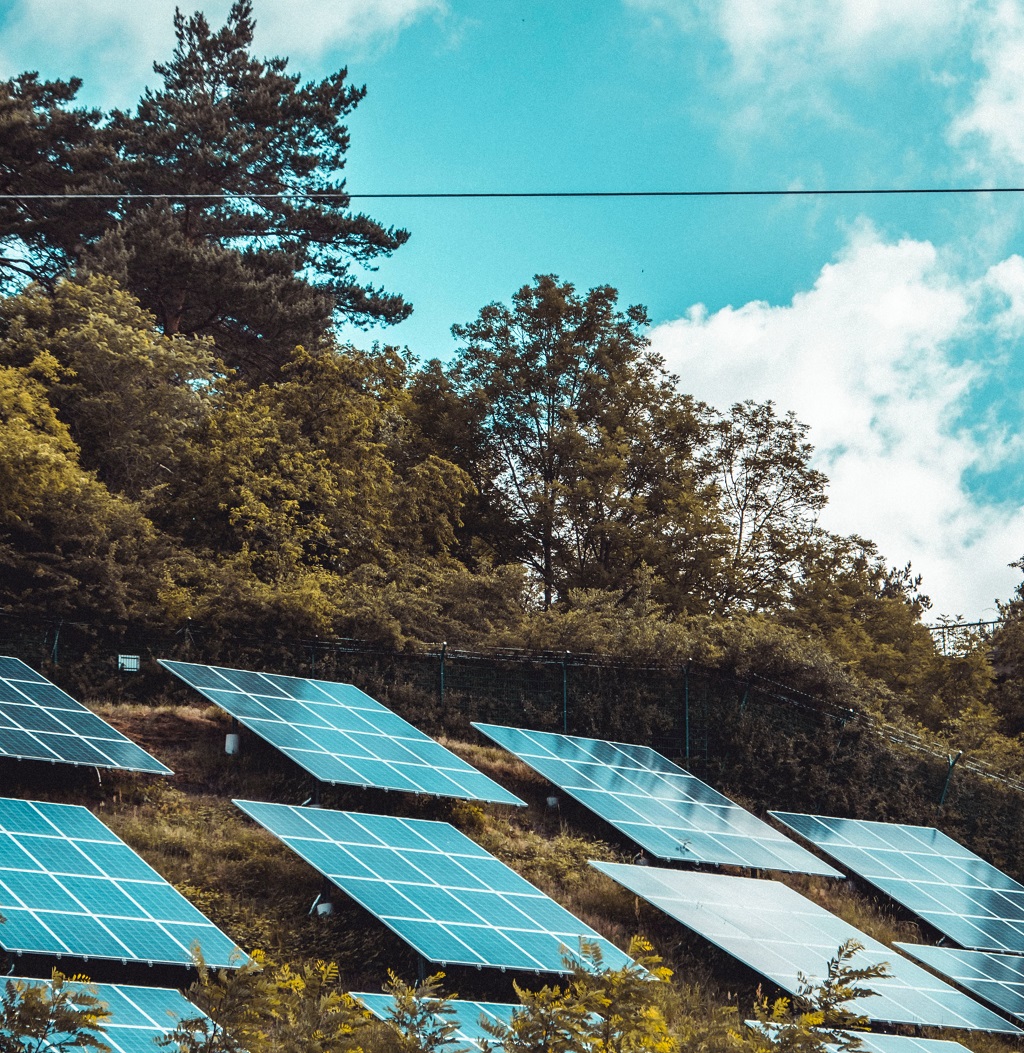
Investor-owned utility lobbyists are at the State Capitol every day, spreading misinformation about rooftop solar to your elected officials. Lawmakers need to hear directly from you, their voters, about why they should stick up for the public and keep rooftop solar growing.