Nadia’s Commute
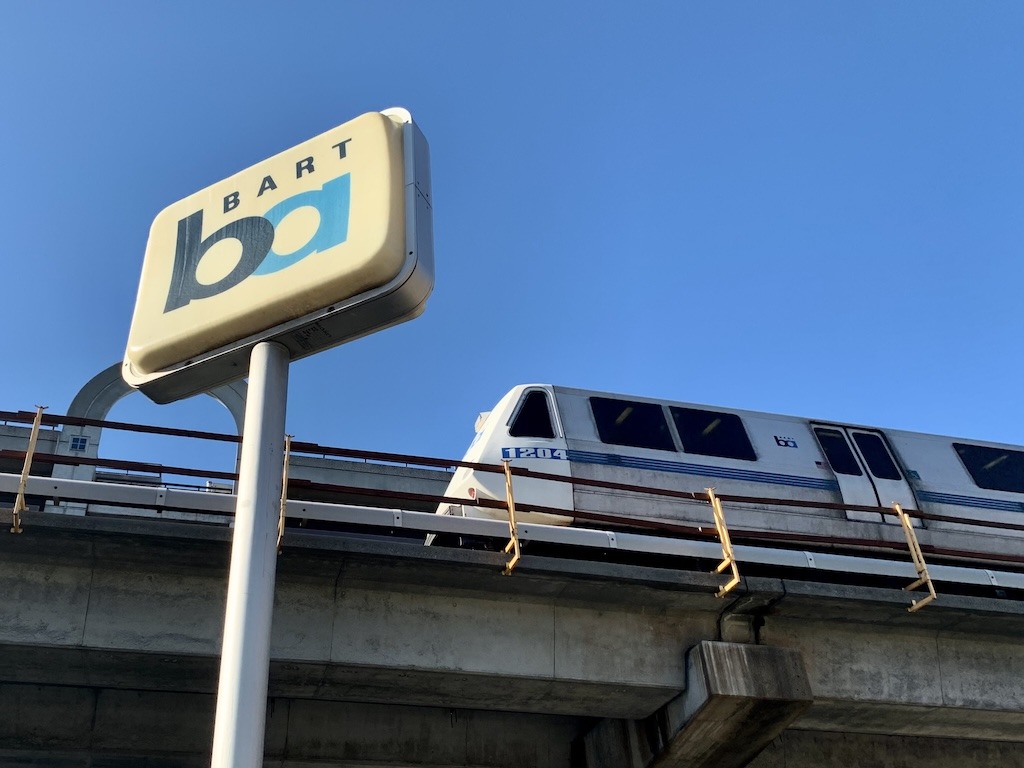
For years, Nadia commuted five days a week from her home in Pittsburg to her job in the San Francisco financial district. Did she drive? Nope. She watched the stalled cars coming and going each morning and evening from her warm, comfortable seat on BART. When she got off the train, she walked a few blocks to her job. No parking hassles. No parking garage fees. No deadlocked traffic through the Caldecott tunnel and on city streets. Just an easy ride while she caught up on her reading and enjoyed the scenery.
For Nadia—and hundreds of thousands of commuters like her—the Connect Bay Area ballot measure is about protecting a way of life: ensuring access to affordable housing and a reliable connection to jobs, schools, and opportunities across the Bay Area.
The Bay Area Transit Crisis
What the Connect Bay Area Ballot Measure Does
This measure covers five Bay Area counties—Alameda, Contra Costa, San Francisco, San Mateo, and Santa Clara—ensuring that the benefits reach the heart of our region.
If passed, it will generate about $1 billion in new funding for public transit each year. San Francisco will contribute through a 1% sales tax, while the other counties, including Contra Costa, will enact a half-cent sales tax, all for a duration of 14 years. This investment isn’t just about keeping the trains and buses running—it’s about averting disastrous service cuts for BART, Muni, Caltrain, AC Transit, and other major operators that so many residents rely on.
Beyond preserving current service, the measure will fund improvements to safety, cleanliness, convenience, and the seamless integration of transit services. In recent years, BART has made major strides in cleanliness and a positive rider experience. This measure would continue and build on those improvements.
Without the measure, the future of Bay Area transit looks far less certain.
The Consequences of Inaction
According to Connect Bay Area, if the ballot measure does not pass, the Bay Area’s major transit agencies will be forced to enact deep, disruptive cuts in 2027, including the following:
- Caltrain will operate just one train per hour and cut weekend service entirely.
- San Francisco’s MUNI will see nearly half its service eliminated, with fare discounts for vulnerable riders scaled back or removed.
- BART will drop from 4,200 trains per week to as few as 500—a drastic reduction that will leave many riders stranded.
- AC Transit will be compelled to slash service by 37 percent, drastically reducing bus availability across the East Bay.
- County Connection is also projecting service cuts.
- Paratransit services face disruptive losses.
These severe cutbacks would mean longer waits, crowded vehicles, and fewer options for everyone. Who will be most at risk? Workers, students, seniors, and families who depend on public transit every day will bear the brunt of these losses. People who drive will have to leave earlier, get home later, and face more unpredictable traffic-related delays.
This measure is essential to prevent this outcome and keep the region moving. Of course, some voters have questions about how the measure is funded and whether a sales tax is the right approach.
Questions about the Connect Bay Area Ballot Measure?
We’ve got answers. Here’s what you need to know about how the measure works, who it benefits, and why it matters for the future of Bay Area transit.
- What is the Connect Bay Area ballot measure?
It is a regional proposal to fund, maintain, and improve public transit in the Bay Area through a short-term sales tax, supporting agencies like BART, Muni, Caltrain, and AC Transit across five counties. - How long will the tax last?
The measure sets a 14-year duration, ending in 2041, which is shorter than most other transportation taxes. - Why use a sales tax?
While a sales tax is not ideal, it is a proven, fast-acting funding mechanism in the Bay Area. The measure’s limited scope and duration help balance the region’s financial needs and protect future local funding capacity. - Who benefits from the measure?
Everyone who relies on public transit for work, school, or daily life—including students, seniors, and working families—will benefit from stable, improved, and more integrated services, as will everyone who drives and doesn’t want to deal with hundreds of thousands more cars clogging our roads. - Isn’t the Sales Tax Regressive?
Some critics point out that a sales tax is considered “regressive,” meaning it takes a larger share of income from lower-income residents compared to those who earn more. To address concerns, the Connect Bay Area Act (SB 63) limits the tax’s duration to 14 years, much shorter than most transportation taxes. More, it only allows the measure to appear on the November 2026 ballot. This gives local governments more certainty and flexibility to plan their own tax measures in other election years.
Most importantly, stable transit funding helps those who need it most. Without this measure, service cuts and fare hikes would likely hit lower-income residents hardest, making it harder to get to work, school, and essential services. Ultimately, the measure is about keeping public transit reliable and accessible for everyone, no matter where they live or how much they earn.
Securing the Future of Bay Area Transit
As Carter Lavin, co-founder of the Bay Area transit advocacy group Transbay Coalition and author of If You Want to Win, You’ve Got to Fight: A Guide to Effective Transportation Advocacy, reminds us, “When it comes to saving our climate and public transit, the Trump administration has made it abundantly clear that we’re on our own. No one will save it but us.”
For everyday riders like Nadia, this campaign is about more than just transit. It’s about preserving reliable connections, cleaner air, stronger communities, and a more sustainable future for the Bay Area. To secure this future, this spring, we began by gathering signatures to get the measure on the ballot.
Victory! The Measure is on the Ballot
Pub: May 3, 2026; Rev: Jul 1, 2026
Image credit: Volunteer Staff Photo