Antioch Climate Action & Advocacy brings together the city’s story of challenge and resilience—past, present, and future. On this page, you’ll find a close look at Antioch’s unique divides, social and economic pressures, and the urgent need for coordinated climate action. Read on to learn what’s at stake, how local initiatives are responding, and what you can do to support a healthier, more sustainable Antioch.
Antioch Divided: Boom Town and Almost Bust
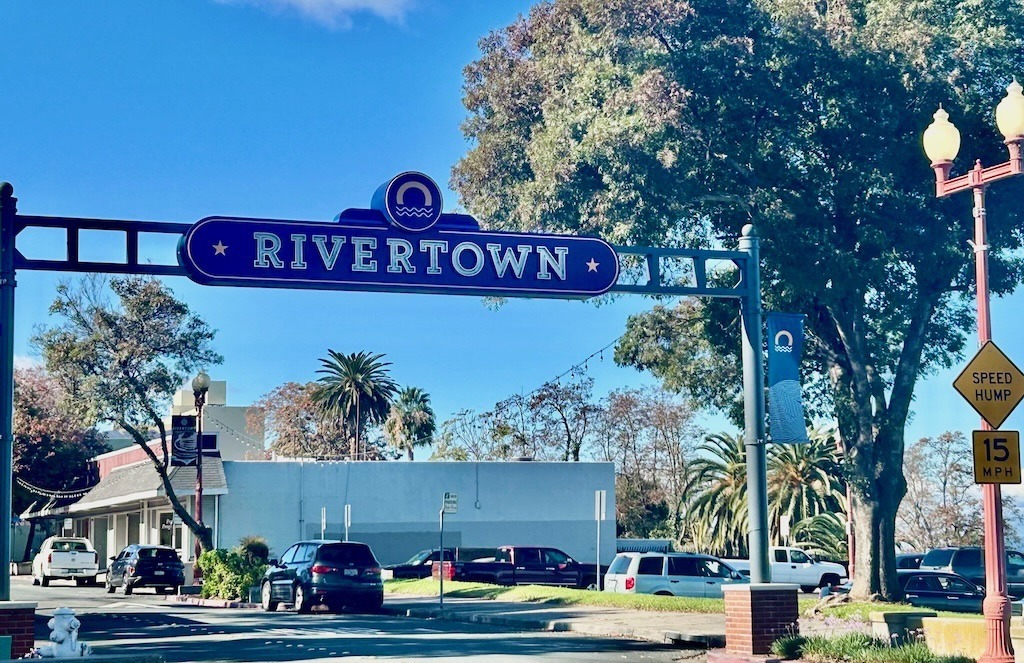
Rivertown Old Antioch, CA 94509 District
Image credit: Anne Grenier
The city of Antioch, sometimes referred to as “the Gateway to the Delta”, is one of California’s oldest towns. It was founded in 1849 as Smith’s Landing, then renamed Antioch. It is now a diverse, growing city of nearly 120,000 residents.
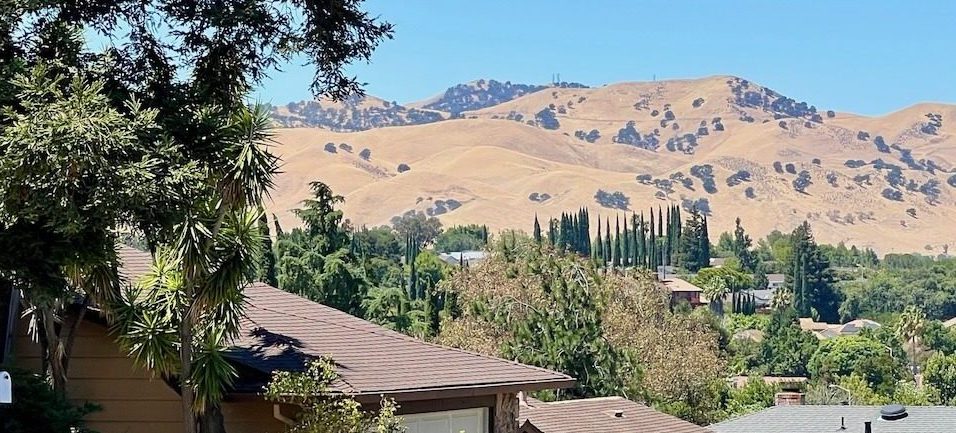
As a more affordable enclave of the expensive SF-Bay Area, the city experienced booming growth during the 1990s. It is now starkly divided between “Old Antioch” (94509) and “New Antioch” (94531).
Old Antioch is the Rivertown industrial area north of Route 4, on the banks of the San Joaquin River. New Antioch is the area south of Route 4, filled with sprawling new homes, nearby shopping centers, big-box stores, and restaurants.
During the late 2000s, at the height of predatory lending, Antioch became the “unofficial foreclosure capital” of the Bay Area. This hit older neighborhoods hard, forcing long-term residents from their homes and resulting in a loss of community stability. It also widened the gap in property values and school performance between the two Antioch regions.
Newer developments in the south attracted large retail chains and higher-income residents. Unfortunately, North Antioch still struggled with the decline of its original industries.
Antioch's memorial to dogs who served in war
Image credit: Christine Stevens
Antioch's memorial to dogs who served in war
Image credit: Christine Stevens
During the late 2000s, at the height of predatory lending, Antioch became the “unofficial foreclosure capital” of the Bay Area. This hit older neighborhoods hard, forcing long-term residents from their homes and resulting in a loss of community stability. It also widened the gap in property values and school performance between the two Antioch regions.
Newer developments in the south attracted large retail chains and higher-income residents. Unfortunately, North Antioch still struggled with the decline of its original industries.
Antioch’s Transportation Challenge & Infrastructure Gap
Antioch sits along the increasingly congested Highway 4, which has not kept pace with the exploding weekday traffic from its growing population. Route 4 feeds into freeways connecting Concord, Walnut Creek, and beyond to the West. Most Antioch residents face long workday commutes. This is constant, whether they take BART toward San Francisco, drive west, or head south to Livermore, Silicon Valley, or the South Bay.
Last Stop for BART
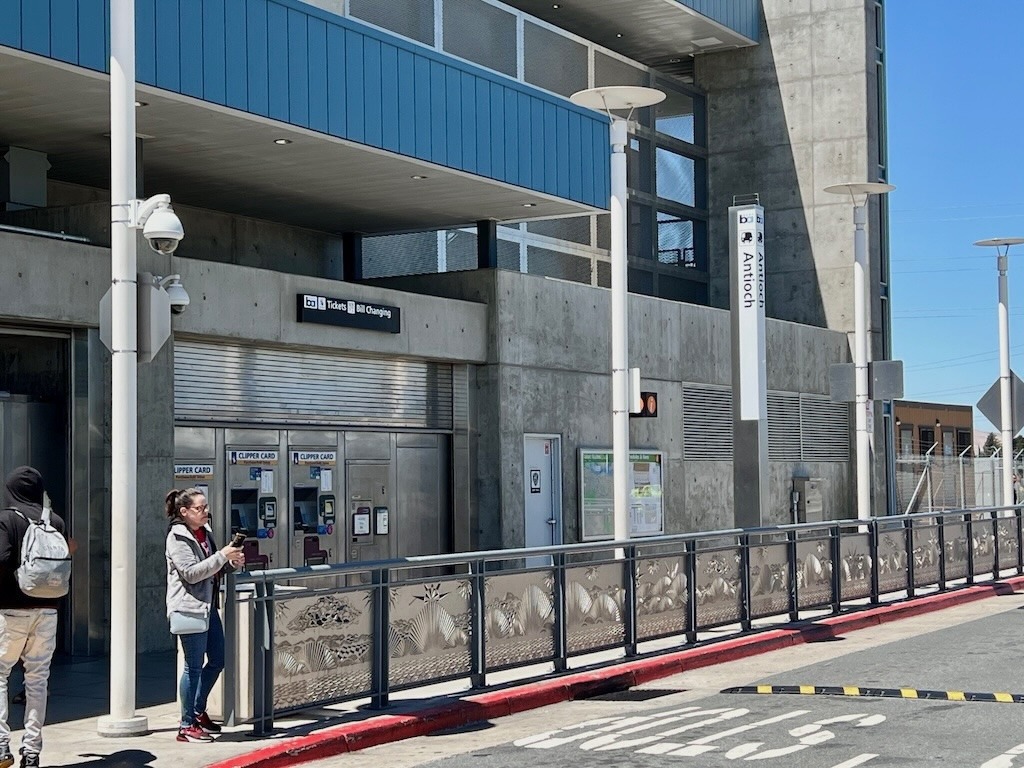
Even though residents paid taxes for mass transit development for years, the Antioch BART extension lagged behind other Bay Area communities. The Antioch station finally opened in 2018. Today, due to a snafu with the track layout, eastbound passengers must switch trains at Pittsburg to reach Antioch,adding 20-30 minutes to their ride.
This BART extension was meant to bridge gaps connecting the city to the wider Bay region. However, it is located near Hillcrest Avenue—deep in the newer part of town—which puts modern amenities and transit access far from the historic northern section.
This isolation exacerbates the sense of neglect for those in the older 94509 Antioch district.
These transit investment choices help explain why Antioch is so divided. The city needs more equitable public transit services, especially BART.
Antioch BART station
Image credit 350 Contra Costa
Antioch BART station
Image credit 350 Contra Costa
Last Stop for BART
Even though residents paid taxes for mass transit development for years, the Antioch BART extension lagged behind other Bay Area communities. The Antioch station finally opened in 2018. Today, due to a snafu with the track layout, eastbound passengers must switch trains at Pittsburg to reach Antioch,adding 20-30 minutes to their ride.
This BART extension was meant to bridge gaps connecting the city to the wider Bay region. However, it is located near Hillcrest Avenue—deep in the newer part of town—which puts modern amenities and transit access far from the historic northern section.
This isolation exacerbates the sense of neglect for those in the older 94509 Antioch district.
These transit investment choices help explain why Antioch is so divided. The city needs more equitable public transit services, especially BART.
City Budget and Social Challenges
In 2026, Antioch faces a myriad of structural and social challenges due to a severe budget crisis, a depleted police force, and state-mandated housing pressures.
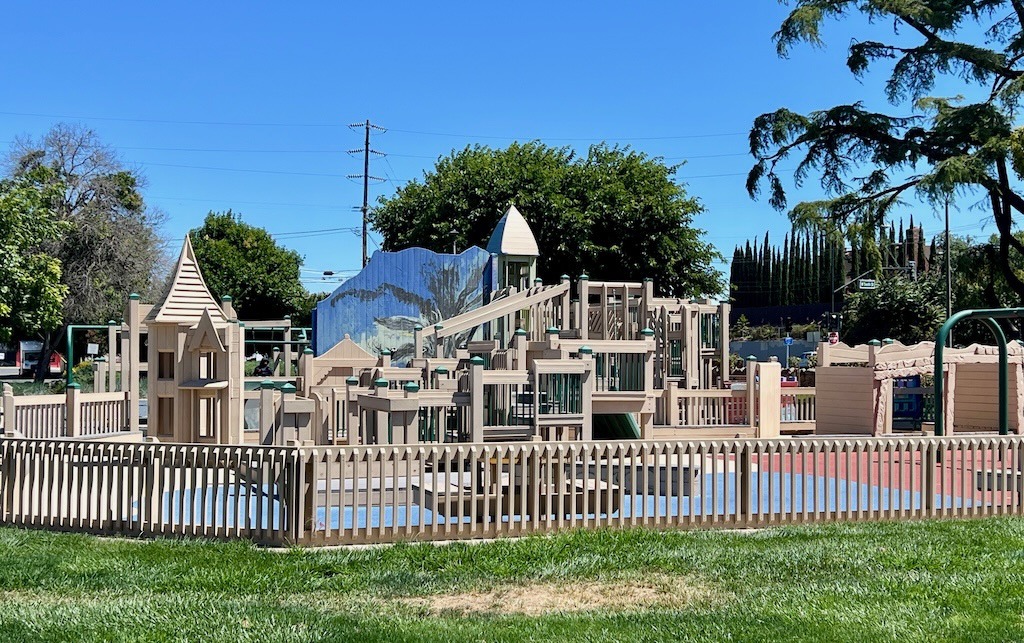
An elaborate playground sits unused on a warm, sunny day in Antioch, CA
Image credit: Christine Stevens
Budget Shortfall
The city’s approved 2025-2026 budget includes a $12.5 million deficit. Only $5 million of that was covered by the budget stabilization reserve. Due to economic uncertainty, growth in Antioch’s key revenue streams—sales tax and cannabis tax—has declined.
Public Safety & Police Staffing
Public Safety and Police Staffing: The Antioch Police Department is facing its worst staffing shortage in decades. This follows years of scandal and federal indictments over racism in the force. Labor disputes are ongoing, and officers and dispatchers have been working without a contract since 2025.
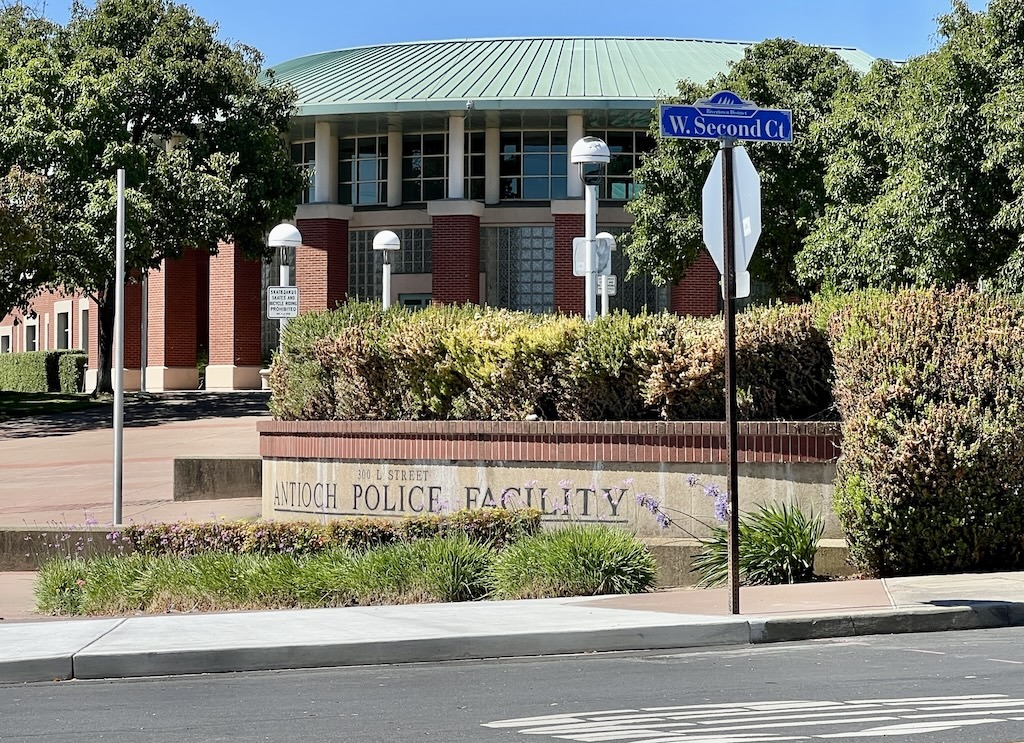
Antioch, CA, Police Facility
Image credit: Volunteer Staff Photo
Antioch, CA, Police Facility
Image credit: Volunteer Staff Photo
Public Safety & Police Staffing
Public Safety and Police Staffing: The Antioch Police Department is facing its worst staffing shortage in decades. This follows years of scandal and federal indictments over racism in the force. Labor disputes are ongoing, and officers and dispatchers have been working without a contract since 2025.
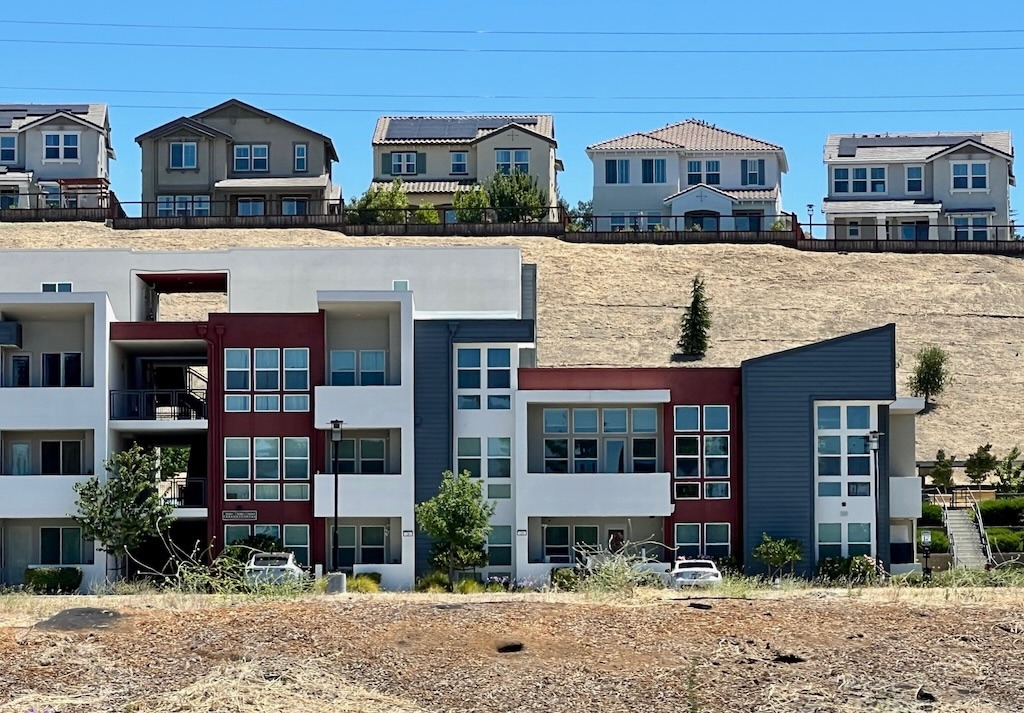
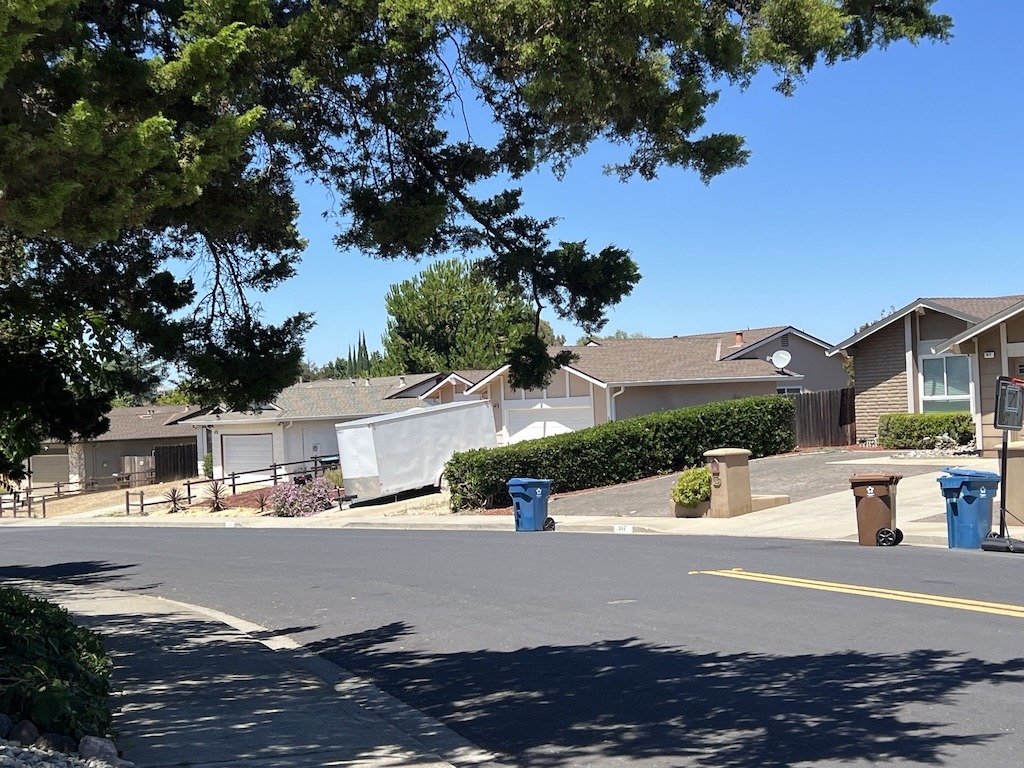
Single family homes overlooking attached housing in Antioch, CA
Image credit: Christine Stevens
Housing and State Mandates
Antioch is a focal point for California’s housing crisis. The City Council has expressed frustration over state laws (such as SB 330) that require approval of massive housing projects—even those linked to controversial developers under threat of litigation.
Approvals for hundreds of townhomes also received community backlash for failing to include enough low-income units. Critics argue that the developments prioritize moderate-income residents over the city’s most vulnerable.
Antioch faces critical climate challenges, with hotter, drier summers and more dangerous heat waves.
The area also faces significant wildfire threats and water instability due to drought and rising salinity in the Delta. Because salt is leaching into the water supply, the city has converted its existing water treatment plant to a desalination plant. (Source: Kneedeep Times)
Many Antioch buildings are at risk of wildfire. Rising temperatures, more air pollution, and flooding from intense winter storms are also affecting residents. The city is projected to experience more extreme heat days, worsening its already poor air quality.
That’s why Antioch needs climate action now!
Single family housing development in Antioch Image credit: Volunteer Staff Photo
Antioch faces critical climate challenges, with hotter, drier summers and more dangerous heat waves.
The area also faces significant wildfire threats and water instability due to drought and rising salinity in the Delta. Because salt is leaching into the water supply, the city has converted its existing water treatment plant to a desalination plant. (Source: Kneedeep Times)
Many Antioch buildings are at risk of wildfire. Rising temperatures, more air pollution, and flooding from intense winter storms are also affecting residents. The city is projected to experience more extreme heat days, worsening its already poor air quality.
That’s why Antioch needs climate action now!
Single family housing development in Antioch Image credit: Volunteer Staff Photo
East County Healthy Homes Initiative to Help Antioch
The East Contra Costa Healthy Homes Project is a new community effort to improve housing, public health, and local job opportunities in Antioch and Pittsburg.
350 Contra Costa, in collaboration with other nonprofits, is leading the way to an equitable transition from natural gas to clean electric energy. The non-profit collaborative is funded by California Jobs First through the Bay Area Jobs First Collaborative Program.
It plans a large-scale home electrification and retrofit initiative to transition income-qualified homeowners in Antioch and Pittsburg to clean electric heat pumps.
We’re working with local organizations to design a program that:
Makes homes safer and healthier with modern electric appliances, improved ventilation, and better insulation.
Creates good local jobs in clean energy and construction.
Helps residents stay cool during heat waves and cuts pollution from old gas appliances.
Ensures that the communities most affected by poor air and housing conditions benefit first.
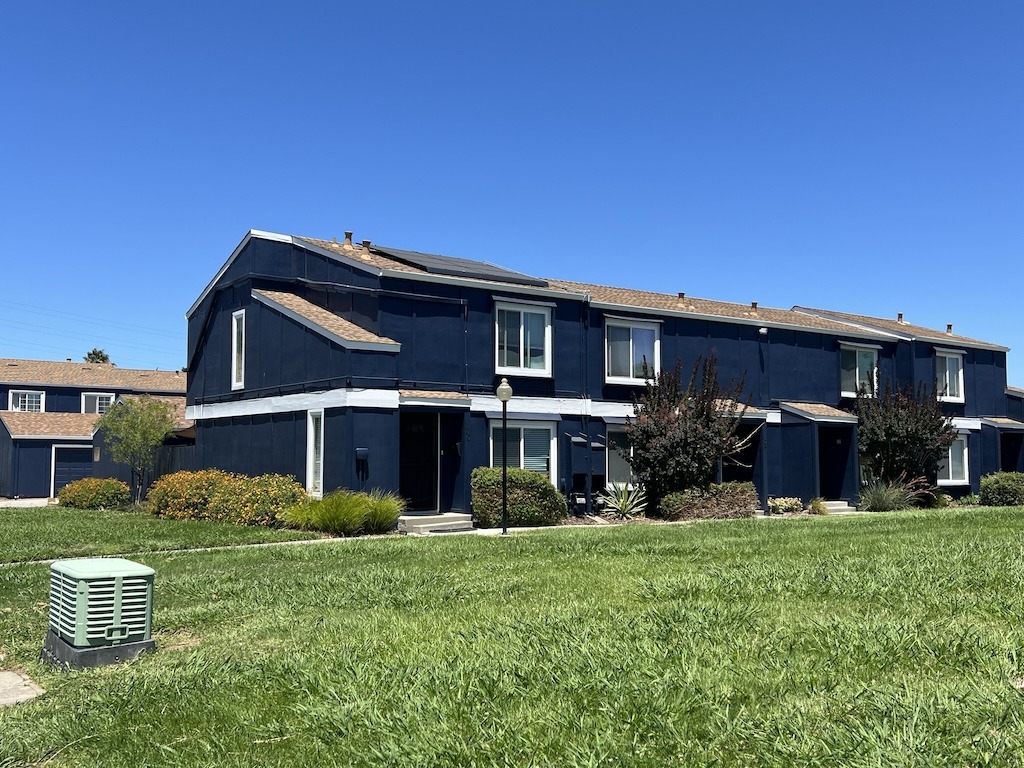
Townhomes in Antioch, CA Image credit: Volunteer Staff Photo
Townhomes in Antioch, CA Image credit: Volunteer Staff Photo
We’re working with local organizations to design a program that:
Makes homes safer and healthier with modern electric appliances, improved ventilation, and better insulation.
Creates good local jobs in clean energy and construction.
Helps residents stay cool during heat waves and cuts pollution from old gas appliances.
Ensures that the communities most affected by poor air and housing conditions benefit first.
Oil Drilling Active Despite Antioch Drilling Ban
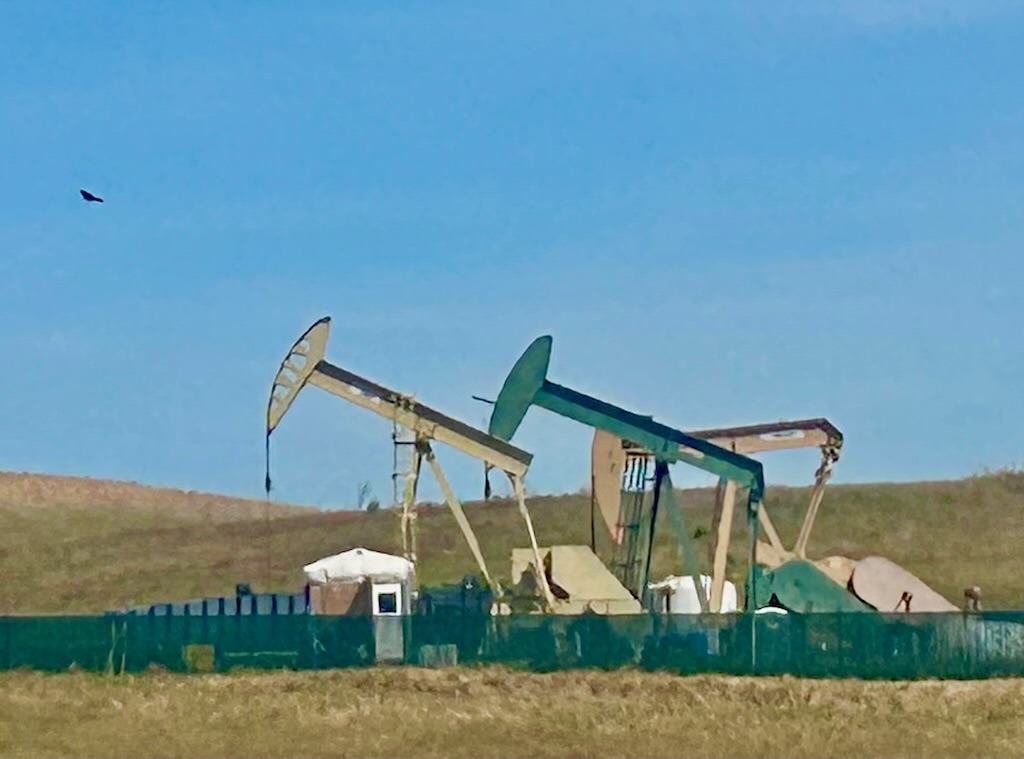
Oil Drilling Pumpjacks with Bird Overhead, Antioch, CA
Image credit: Anne Grenier.
In January 2022, the Antioch City Council became the first in East Contra Costa County to pass a ban on all future oil and gas drilling, production, and exploratory operations. In 2024, Mayor Lamar Hernandez-Thorpe signed a pledge to further commit the city to a fossil-free future.
These actions reinforced the ban on new fossil fuel infrastructure. Drilling within the Antioch city limits is largely prohibited.
A specific legacy operation run by Sunset Exploration Inc., however, still exists near the city border. The drilling takes place on open land along Deer Valley Road, between Balfour Road and Kaiser Permanente Antioch Medical Center, near the Dozier Libby Medical High School in Antioch.
While we applaud Antioch’s drilling ban, its protections are diluted because Contra Costa County allows drilling on nearby unincorporated land.
The proximity of the Sunset Exploration site to a school and hospital puts Antioch residents at risk. Toxic air and water pollution from drilling can easily reach hospital patients, visitors, and nearby high school students.
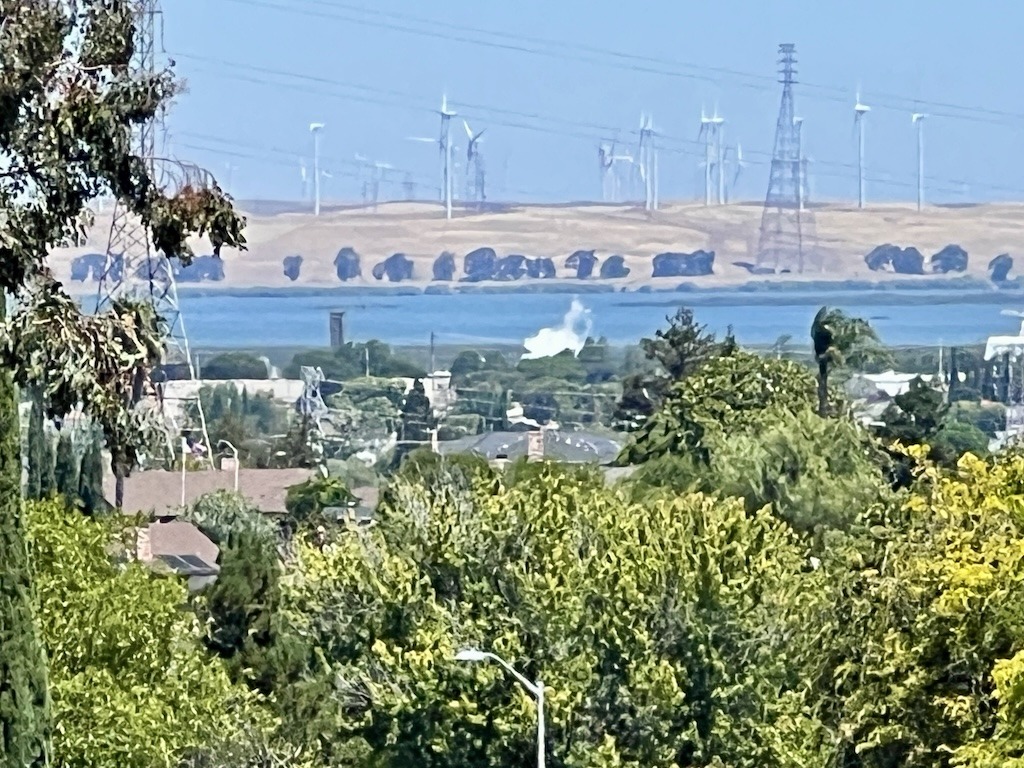
Antioch homes overlooking the Carquinez Strait, windmills in Solano County Image credit: Christine Stevens
Antioch homes overlooking the Carquinez Strait, windmills in Solano County Image credit: Christine Stevens
While we applaud Antioch’s drilling ban, its protections are diluted because Contra Costa County allows drilling on nearby unincorporated land.
The proximity of the Sunset Exploration site to a school and hospital puts Antioch residents at risk. Toxic air and water pollution from drilling can easily reach hospital patients, visitors, and nearby high school students.
Black Diamond Mines Regional Preserve, Antioch, CA
Image credit: Anne Grenier
Antioch first adopted its Climate Action and Resilience Plan (CARP) in 2011. In 2020 and again in 2024, the City Council updated the plan. The plan aims to cut greenhouse gas emissions by 25 percent from 2005 levels, boost energy efficiency, and prepare for climate hazards such as wildfires, drought, and extreme heat.
Curiously, the city’s website no longer includes a link to the CARP. The status of the CARP’s implementation is uncertain at this time, as the city undergoes a reorganization. The plan, as adopted on November 26, 2024, can be found in the agenda packet for that meeting. To access it search the document for ‘CARP,” which should take you to the first page of the staff report for Item J in the Consent Calendar. From there, scroll down to “Exhibit A” to view the CARP.
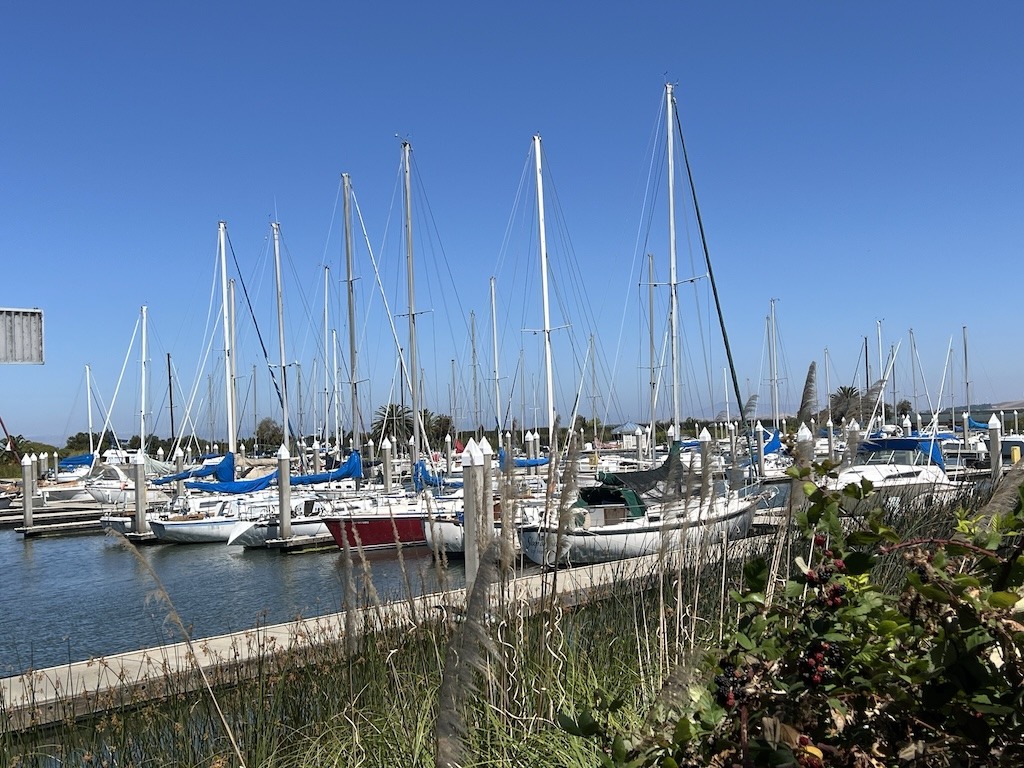
Sailboats at the Antioch marina Image credit: Volunteer Staff Photo
Become an Antioch Climate Liaison
Antioch faces complex social, economic, and environmental challenges, but collaborative action is already making an impact. Whether you’re a resident, advocate, or policymaker, your involvement can help ensure a resilient and equitable future for Antioch. Join local efforts, stay informed, and consider taking the next step as a city climate liaison.
As a city liaison with 350 Contra Costa Action, you can help encourage and support our climate-forward council members to develop plans and allocate funds to reduce Antioch’s greenhouse gas emissions. Together we can move the city toward alternative energy sources to reduce Antioch’s air pollution.
The Antioch City Council is comprised of the mayor and four council members, each elected to four-year terms. The mayor is elected every four years. The remaining council members serve overlapping terms.
Don’t know which district you’re in? Go to the Antioch Interactive Map, click on the Layers Tab and choose AntiochCouncil Districts.
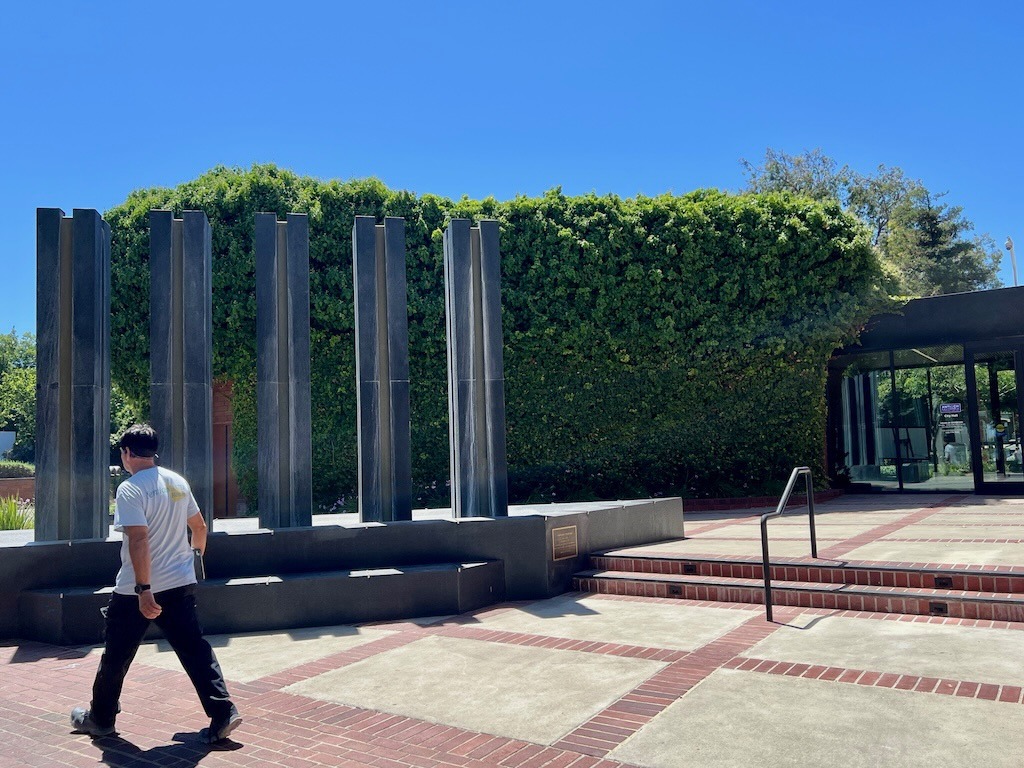
A man waks past the entrance to Antioch, CA, City Hall Image credit: 350 Contra Costa Action Volunteer Staff Photo
A man waks past the entrance to Antioch, CA, City Hall Image credit: 350 Contra Costa Action Volunteer Staff Photo
The Antioch City Council is comprised of the mayor and four council members, each elected to four-year terms. The mayor is elected every four years. The remaining council members serve overlapping terms.
Don’t know which district you’re in? Go to the Antioch Interactive Map, click on the Layers Tab and choose AntiochCouncil Districts.
Antioch’s City Council incudes members who are taking steps toward a cleaner, greener future. As a group, the council has shown a climate-forward approach in recent years. Let’s rally behind their leadership and encourage them to continue to support priorities such as:
Affordable, equitable housing
Cleaner, safer public transit
Active transportation options like walking and biking
Local programs to reduce greenhouse gas pollution
Expanded access to clean energy
Your voice and active support can help drive meaningful, lasting change in our community.
Attend a City Council Meeting
City Hall 200 H Street Antioch, CA 94509-1285 Phone: 925.779.700
Antioch’s City Council generally meets at 7 pm on the 2nd and 4th Tuesday of each month. But do check, as their website counsels checking the calendar for next meeting time and date.
Meetings are open to all residents—a chance to stay informed, share your perspective, and witness local decision-making firsthand.
If you cannot attend in person, you can watch meetings live online or catch up on recordings, typically posted within 48 hours. The City Calendar lists upcoming meeting dates and times. When a meeting is in session, a streaming link will appear; for past meetings, simply select the date you’re interested in.
Attend a Planning Commission Meeting
6:30 pm 1st and 3rd Wednesday of every month City Hall Council Chambers 200 H Street
The Planning Commission helps guide Antioch’s growth and development. Its responsibilities include:
Reviewing and making recommendations to the City Council on the city’s General Plan, land use, and zoning changes
Ensuring proposals meet requirements set by the Zoning Code, State Government Code, and the California Environmental Quality Act (CEQA)
Examining site plans, building and architectural designs, signage, and other exterior features for new and remodeled buildings
These efforts help ensure Antioch’s physical development aligns with both city regulations and community values.
Agendas and Minutes
Each meeting’s agenda is posted in advance, outlining topics and actions to be discussed. Official minutes are published after approval, providing a record of decisions and community input. Stay up to date by viewing the latest agendas and minutes online.
We invite you to help us lead San Ramon toward a brighter, more sustainable future. Together, we can embrace climate responsibility and accountability for our community. Your voice matters!